Block Heels vs Stilettos: Which Is Actually Easier to Walk In?
Quick Answer: Block heels are usually easier to walk in than stilettos. A wider heel spreads your weight over more of the sole, so the ankle and ball of the foot feel less pressure with each step. Stilettos can still work for short, seated, or flat-floor occasions. For all-day walking, pick a block heel with a stable heel base and a moderate height.
You pick the stilettos because they look right with the dress, and by the end of the evening you are counting every step to the car. Heel shape changes how a shoe feels far more than most people expect, and the right choice depends on where you will spend your time.
Why does a block heel feel more stable?
A stiletto puts most of your body weight on a very small point. That concentrates pressure, and the ankle has to work harder to stay balanced. A block heel spreads the load across a broader area, so each step feels more grounded.
Think of it as a base versus a point. A wider base makes it easier to stand, pivot, and walk on uneven pavement without wobbling.
How high should a walking heel be?
For long walks, many people find a heel between about 2 and 2.5 inches comfortable. Higher heels increase pressure on the ball of the foot, and that is where most of the fatigue shows up.
Test the height in the shop. Walk the length of the store, turn around, and walk back. If your toes feel crowded or your calves tighten fast, the heel is too high for an all-day plan.

When do stilettos still make sense?
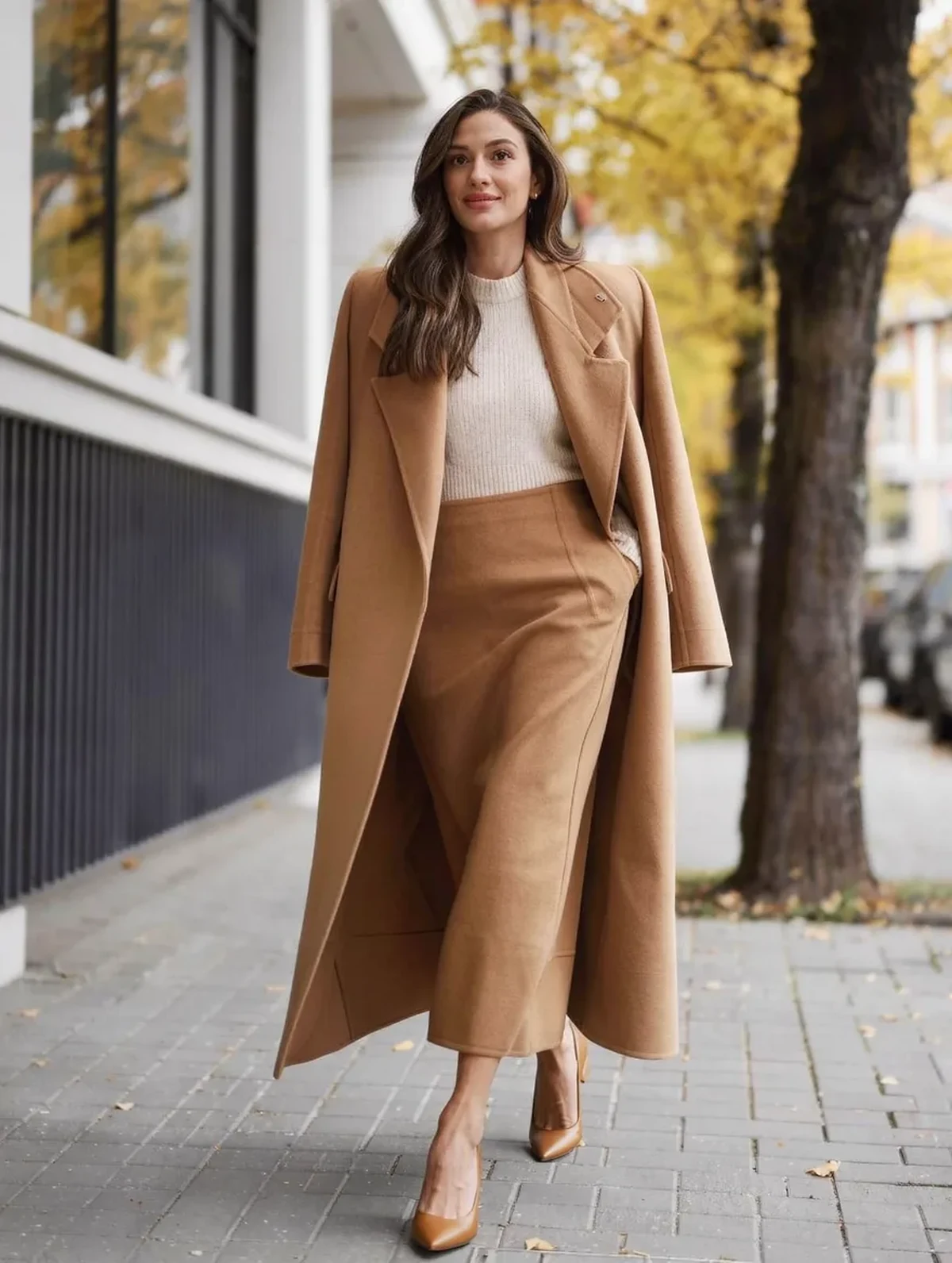
Stilettos work well for seated dinners, short photo sessions, and events with smooth floors. They also suit outfits where the heel line matters most, like sleek trousers or slim midi skirts.
If you plan to wear them, keep the walking short and pack a pair of flats or a block heel as a backup for the rest of the night.
What features make a block heel easier to walk in?
Look for a heel that sits under the center of the foot, not behind it. A slight taper that keeps the heel base wide is good. A sole with a little flex at the ball of the foot helps your step feel natural.
A padded insole adds comfort without changing the look. Leather that softens with wear tends to fit better over time.
How do I break in new heels without blisters?
Wear them around the house for 20 to 30 minutes a day for a few days before a big event. Add a small heel grip or a gel pad at the back of the heel if it slips. Stop and swap shoes if a hot spot starts to form.
Blister prevention is the simple part. Consistent short wears teach the shoe to match your foot.
TL;DR:
- Block heels spread your weight over a wider base, so they feel steadier for walking.
- For all-day wear, aim for a moderate height that keeps the ball of the foot comfortable.
- Stilettos suit seated events and short stints on smooth floors.
- Look for a heel placed under the center of the foot and a flexible sole.
- Break new pairs in gradually and pack a backup pair for long nights.
The best heel is the one you can forget about while you are busy having a good time.
Keep Reading
This article is for general styling and informational purposes only. Trends, sizing, availability and pricing may vary by brand and season.