How Many Pairs of Shoes Does a Realistic Wardrobe Actually Need?
Quick Answer: A realistic core shoe wardrobe is 8-10 pairs covering 5 categories: an everyday flat, a comfortable walking shoe, a dressier heel or flat, a boot, and a sandal (climate-dependent). Beyond that, additional pairs should fill a specific styling or activity gap, not general variety.
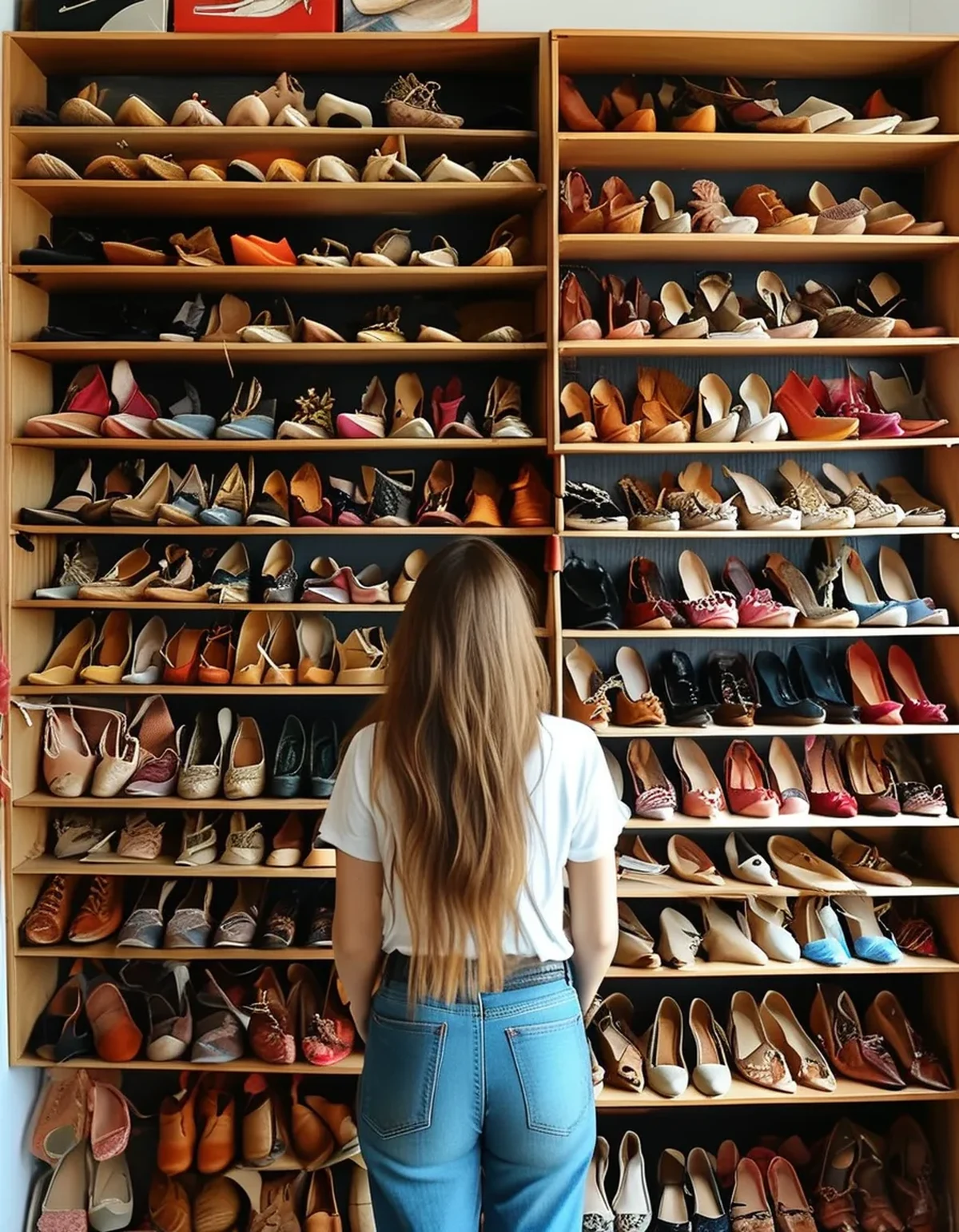
Every pair of shoes feels individually justified in the moment of buying — the boots for fall, the sandals for summer, the heels for one wedding. The result, almost universally, is a shoe collection with far more pairs than actual rotation.
What are the 5 core shoe categories everyone needs?
- Everyday flat — loafers, ballet flats, or sneakers worn 3+ times a week
- Comfortable walking shoe — for long days on your feet, distinct from your everyday flat if that one isn’t built for distance
- Dressier option — a heel or elevated flat for occasions the everyday shoe doesn’t cover
- Boot — at least one versatile pair for cooler months
- Sandal — climate-dependent; skip entirely if you’re rarely in sandal weather
Within each category, 1-2 pairs typically covers it — a black and a neutral-tone option in your most-worn categories (everyday flat, boot) is usually the ceiling before it becomes duplication rather than function.
How do you know which category actually needs a second pair?
Track wear for one season. The categories you reach for most (usually everyday flat and boots) are the ones worth a second color option — a black and a brown boot, for instance — while categories worn rarely (formal heels, statement sandals) rarely justify duplicates.
A good rule: if a category gets worn less than once a month, one pair is enough regardless of how many color or style options exist.
What makes a shoe worth the investment versus a cheaper option?
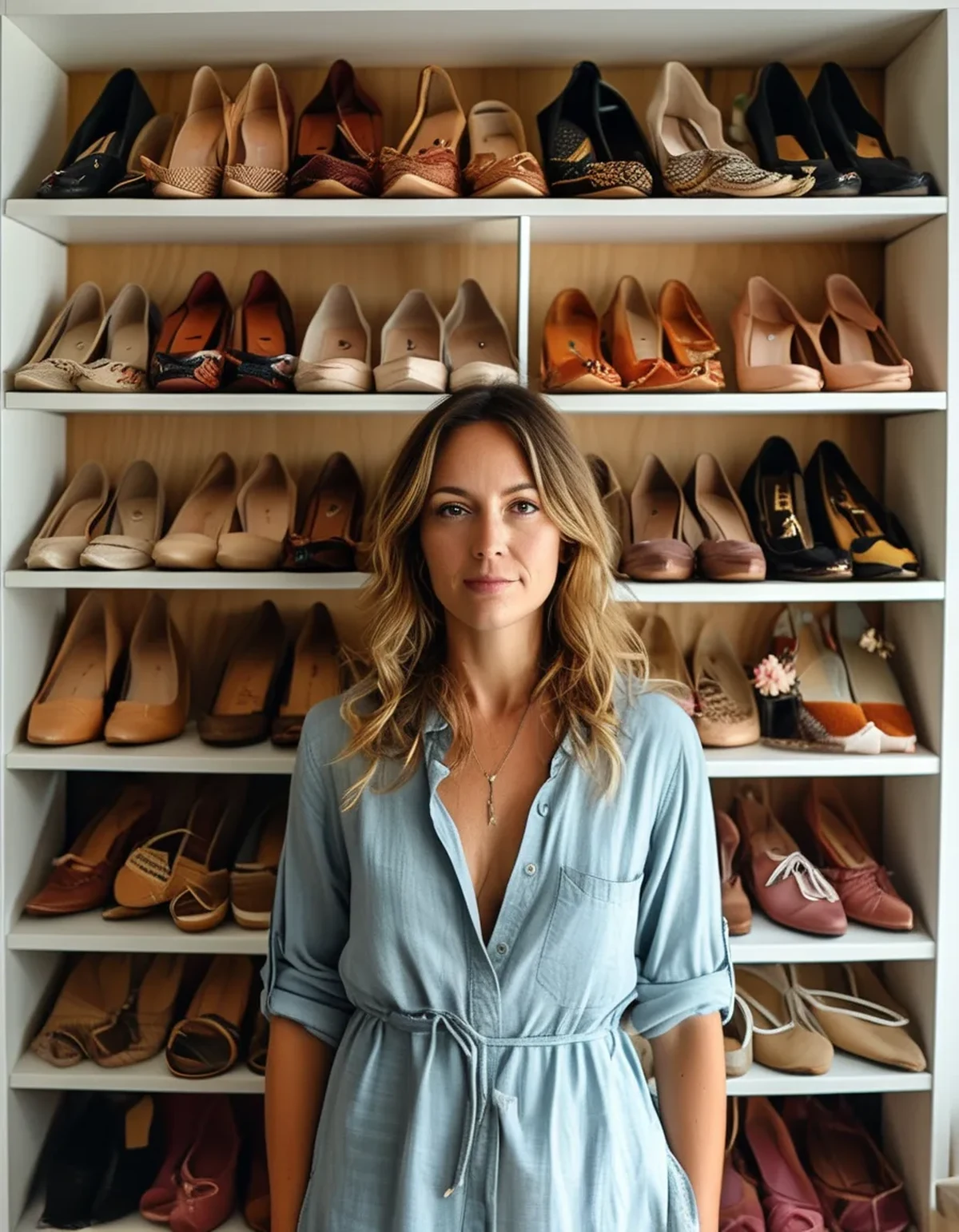
Comfort and construction matter most in categories worn frequently — an everyday flat or walking shoe worn 3-5 times a week benefits far more from quality cushioning and construction than an occasion shoe worn twice a year.
Conversely, a trend-forward statement shoe worn rarely is a reasonable place to spend less, since low wear frequency means the cost-per-wear math doesn’t favor a big investment regardless of quality.
The Shoe That Changes the Outfit: Building Around One Statement Pair
Beyond the 8-10 core pairs, one statement shoe — a bold color, sculptural heel, or unique texture — earns its place by changing the character of multiple existing outfits rather than needing its own dedicated look.
The test for whether a statement shoe is worth adding: can you picture it working with at least 3 outfits you already own? If it only works with one specific look you don’t yet own, it’s adding a category, not completing one.
FAQ: Shoe Wardrobe Questions, Answered
Is 8-10 pairs too few for someone who loves shoes?
It’s a functional floor, not a hard ceiling — the framework works as a baseline before adding personal-interest pairs. The point is distinguishing ‘functional core’ from ‘collection for enjoyment,’ which is a different (and totally valid) category of ownership.
Should sneakers count as the everyday flat category?
Yes, for many lifestyles — an everyday flat just means the shoe you reach for most without thinking, whether that’s a loafer or a clean white sneaker.
How often should core shoes be replaced?
Well-made everyday shoes and boots typically need replacing every 1-3 years with regular wear, while rarely-worn occasion shoes can last 5+ years — frequency of wear, not just shoe quality, drives the actual lifespan.
TL;DR:
- A realistic core shoe wardrobe is 8-10 pairs across 5 categories: everyday flat, walking shoe, dressier option, boot, sandal
- Track a season of wear before adding duplicates — only your most-worn categories usually justify a second color
- Spend more on frequently worn categories, less on rarely worn statement pieces
- A statement shoe earns its place by working with 3+ outfits you already own, not one imagined look
Most overflowing shoe collections aren’t a variety problem — they’re a rotation problem hiding behind justified individual purchases.
Keep Reading
This article is for general styling and informational purposes only. Trends, sizing, availability and pricing may vary by brand and season.