The Kitten Heel Revival: How to Wear the Chicest, Most Comfortable Heel of the Moment
Quick Answer: The kitten heel — roughly 3 to 5cm, slim and tapered — is back because it’s the only heel most people can genuinely wear all day. Style it with tailored trousers for work, straight-leg jeans for elevated casual, or a midi dress for evening. Choose a pointed toe for the longest leg line and a slingback for the most versatile pair.
There’s a category of shoe that looks polished and doesn’t require you to plan your route around it.
For about fifteen years, fashion mostly pretended it didn’t exist.
The kitten heel is back — and this time the reason is entirely practical.
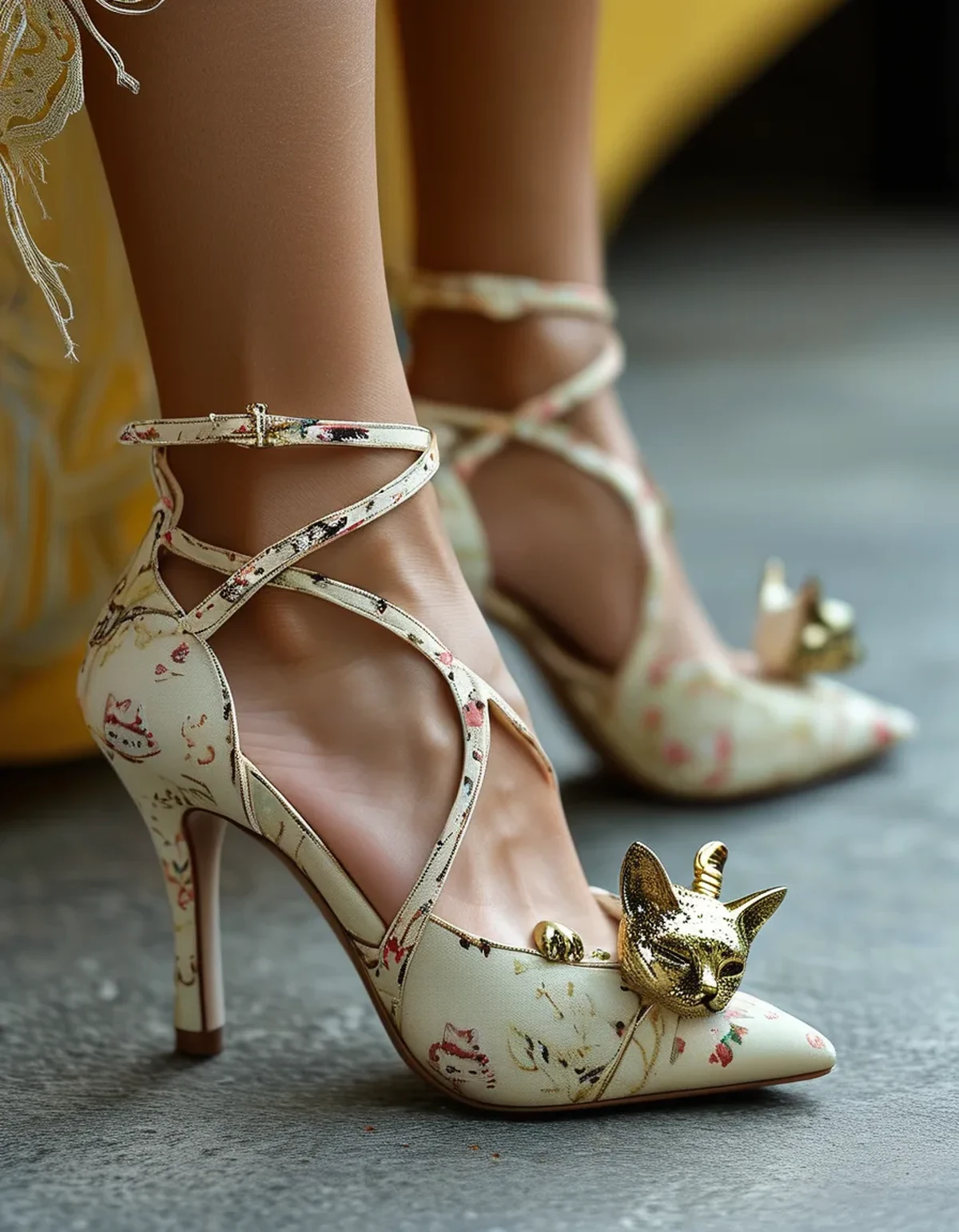
Why are kitten heels back in style?
Because they solve a problem nothing else does.
The height is genuinely walkable. At roughly 3 to 5cm, a kitten heel keeps your foot at an angle your body can sustain for hours. High heels concentrate pressure on the ball of the foot and shorten your stride; a kitten heel barely does either.
It still reads as a heel. That’s the part flats can’t deliver. The slight lift changes your posture and the line of your leg, and it signals “considered outfit” in a way a flat simply doesn’t.
It’s the honest compromise. Most footwear compromises ask you to sacrifice one thing entirely. The kitten heel gives up some drama and keeps nearly all the polish — which, on a Tuesday, is the right trade.
And the shape is elegant on its own. The slim taper is what distinguishes it from a block heel of the same height. It’s a more delicate line, and it’s why the shoe looks refined rather than merely sensible.
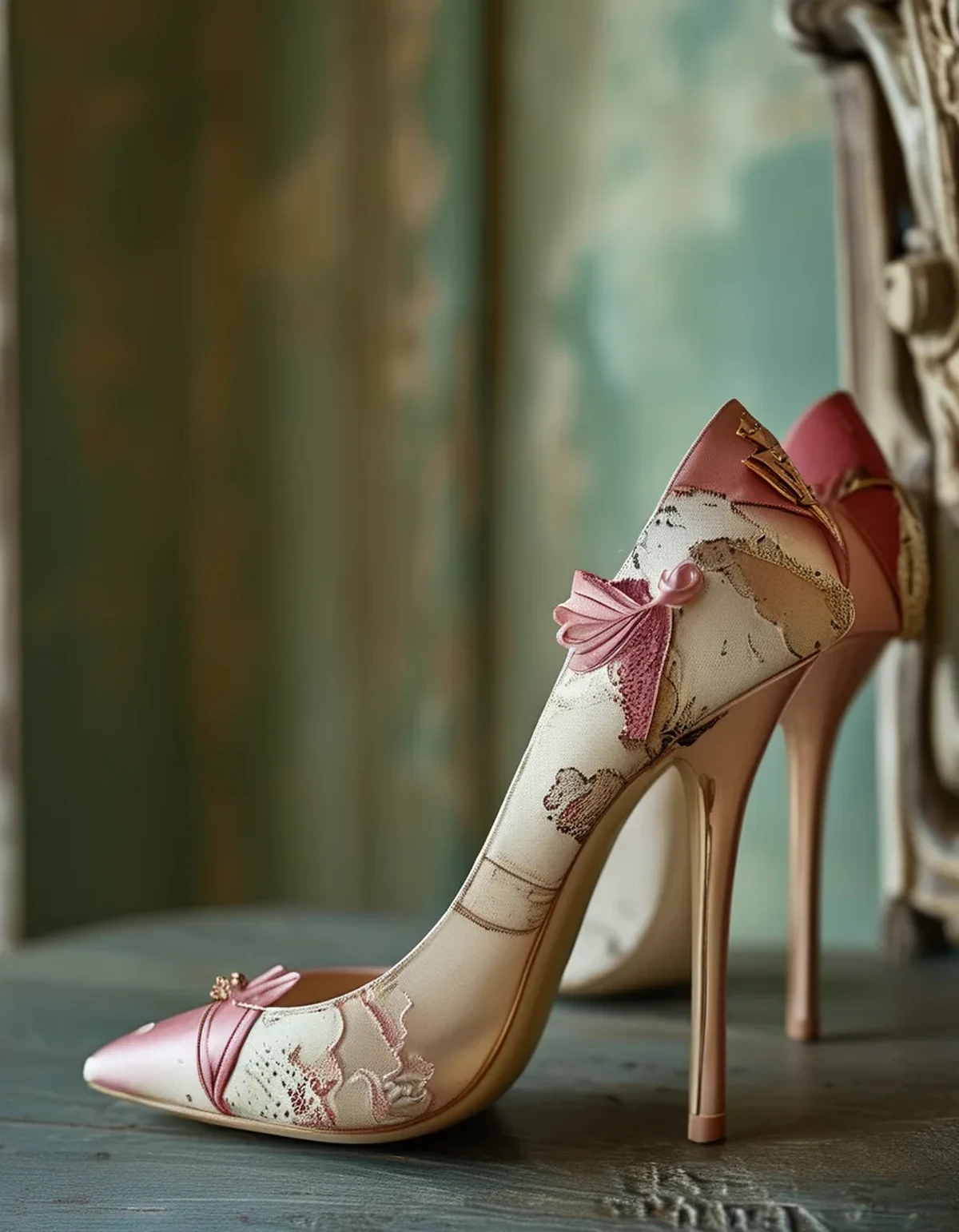
How do you style kitten heels?
- With tailored trousers. The strongest pairing. A full-length or slightly cropped trouser over a pointed kitten heel gives you a continuous line and a genuinely polished silhouette. This is the workwear default.
- With straight-leg jeans. Elevated casual, and easier than it sounds. Let the hem sit just at the top of the shoe. Add a blazer and it reads deliberate rather than dressed-down.
- With a midi dress or skirt. The kitten heel is the right weight for a midi — a high heel can look formal against a casual dress, and a flat can look heavy. This is the pairing the shoe was designed for.
- As a slingback. The most versatile version by a margin. The open back makes it lighter in warm weather, and slingbacks work from spring through autumn without seeming seasonal.
- In a pointed toe. For the longest leg line. A pointed kitten heel visually elongates more than a round-toe shoe with a considerably higher heel — the toe shape does more of that work than most people realise.
- In a statement version. Embellished, metallic, or in a strong colour. Because the shape is quiet, a kitten heel takes decoration well without tipping into costume.
Day to evening: this is where it earns its keep. The same pair that got you through eight hours at a desk works for dinner afterwards, which is not true of most heels in either direction.
Myth vs Fact
Myth: Kitten heels are dowdy or dated. Fact: That reputation comes from a specific late-90s round-toe, thick-heeled version. Modern kitten heels are slimmer, sharper and usually pointed — a different shoe with the same heel height.
Myth: A low heel doesn’t lengthen the leg. Fact: The heel contributes, but toe shape does comparable work. A pointed kitten heel in a nude-for-you shade produces a longer line than a round-toe court with twice the heel.
Myth: They’re only for the office. Fact: With jeans and a knit, they’re the easiest way to make a casual outfit look intentional. The office association is a habit, not a rule.
Myth: Comfortable means you can skip the fit check. Fact: A low heel still slips at the back if the shoe’s too big, and a pointed toe still pinches if it’s too narrow. Comfort here comes from the height and the fit — and a badly fitting kitten heel is just as unwearable as a badly fitting stiletto.
What should you look for in a good pair?
Heel construction. A slim heel takes the same load as a tall one on a smaller footprint. A well-made pair has a properly attached heel and a replaceable tip — check both, and replace the tip at the first sign of wear.
Toe shape. Pointed for maximum elongation, almond for more room with most of the effect. Size up half a size in a genuine point, since the taper begins before your toes end.
Colour strategy. Black is the workhorse. A nude-to-your-skin-tone pair is the leg-lengthening one. A single strong colour is the most versatile third pair, because the quiet shape carries it easily.
Sole and cushioning. Even at 4cm, a thin leather sole on pavement gets tiring. A little cushioning underfoot is the difference between a shoe you reach for and one you don’t.
FAQ
How tall is a kitten heel?
Generally 3 to 5cm (about 1.5 to 2 inches), slim and tapered. Above that it’s a low heel; a thicker heel of the same height is a block heel, which reads more casual.
Are kitten heels comfortable for all-day wear?
More than almost any other heel, yes — but fit still matters. Check heel grip, toe room and some underfoot cushioning, and try them on in the afternoon when your feet are at their largest.
Can you wear kitten heels with jeans?
Absolutely, and it’s one of the best uses for them. Straight-leg or slim jeans with the hem sitting at the top of the shoe, ideally with a pointed toe.
TL;DR:
- 3–5cm, slim and tapered — a heel you can genuinely wear all day.
- Tailored trousers for work, straight-leg jeans for elevated casual, midi dress for evening.
- Pointed toe for the longest leg line; slingback for the most versatile pair.
- The dowdy reputation belongs to an old round-toe version, not the current shape.
- Check heel grip, toe room, a replaceable heel tip and some underfoot cushioning.
The chicest compromise in footwear, and the rare one where you barely notice you compromised. Pointed, slingback, worn from desk to dinner — that’s the whole case.
Keep Reading
This article is for general styling and informational purposes only. Trends, sizing, availability and pricing may vary by brand and season.