The Shoe Styles Every Wardrobe Needs
Quick Answer: A complete shoe wardrobe is about coverage, not quantity — roughly six pairs handles almost everything. Two everyday foundations (a clean white sneaker and a comfortable flat), two elevated essentials (a classic pump and a sleek ankle boot), one or two comfort-forward hybrids, and one statement pair. Buy neutrals for the workhorses and save the personality for the last slot.
Shoes make or break an outfit. The right pair pulls a look together; the wrong one quietly undoes everything above it.
But you don’t need a wall of them. A handful of well-chosen styles covers virtually every occasion you’ll actually attend, and the rest is just storage.

What shoes does every wardrobe need?
Six categories. That’s genuinely it.
- A clean white sneaker — errands, travel, weekends, casual work.
- A comfortable flat — loafer or ballet flat, for days with walking and a dress code.
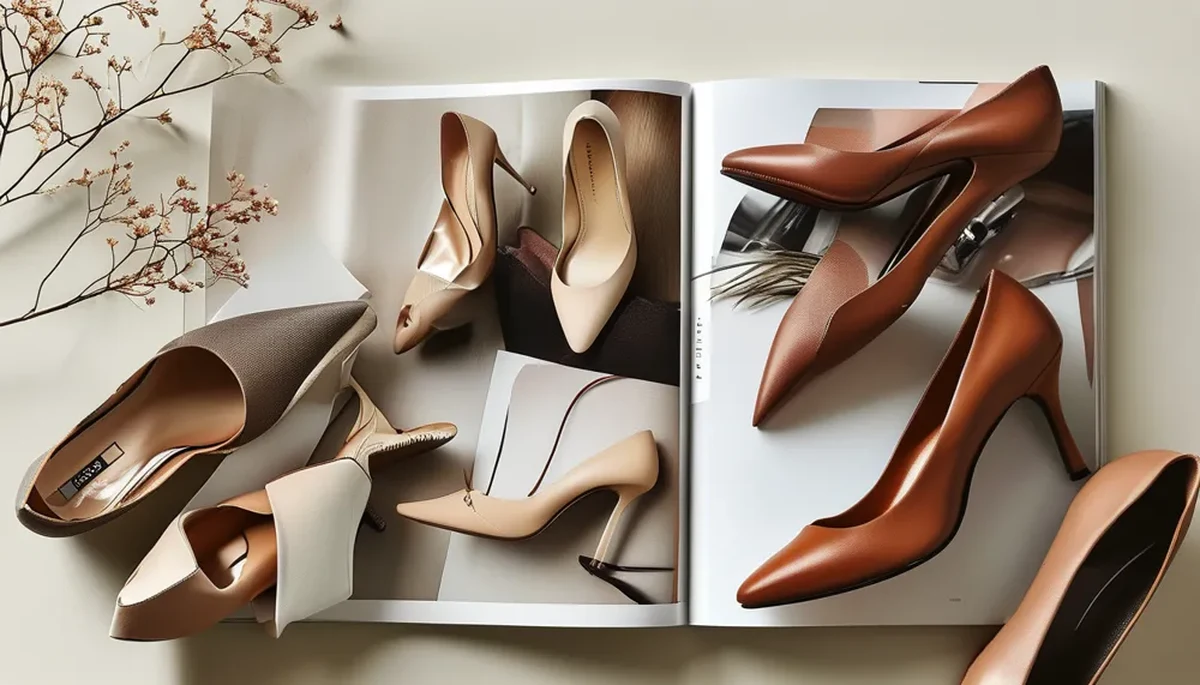
- A classic pump — office, dinner, events. Neutral, 2 to 3 inch heel.
- A sleek ankle boot — bridges seasons and sharpens jeans, dresses and trousers alike.
- A comfort-forward hybrid — a cushioned loafer or a block-heel sandal that looks polished and feels like nothing.
- One statement pair — metallic, bold color, unexpected shape. The fun slot.
Cover those six and you’re outfitted for essentially everything. Add more only where your actual life demands it — if you hike every weekend or attend formal events monthly, that’s a seventh and an eighth.
Which pairs deserve the most money?
The ones you wear most, which are almost never the ones people overspend on.
Run the math: a white sneaker worn 150 days a year at $140 costs about 93 cents per wear. An occasion heel worn four times at $200 costs $50 per wear. Most people’s budget is allocated in exactly the opposite direction from their wear patterns.
Spend on: the everyday sneaker, the flat, and the ankle boot. These take real mileage and cheap versions fail structurally — the sole separates, the heel counter collapses, the lining wears through.
Save on: the statement pair. It’s worn occasionally, and its job is visual interest rather than endurance.
Buy neutrals for the workhorses. Black, white, tan, or a warm brown. A neutral goes with more, gets worn more, and drops the cost per wear further.
How do you choose shoes that are actually comfortable?
Today’s best shoes refuse to make you choose between polished and comfortable, but you still have to check.
Shop in the afternoon. Feet swell over the day, sometimes by half a size. Morning fittings are how people end up with shoes that only work until 2pm.
Check the flex point. Bend the shoe. It should flex where your foot flexes — at the ball, not in the middle of the arch. A shoe that folds in half at the arch has no structure.
Look for a proper heel counter. Squeeze the back of the shoe. It should resist. A soft, collapsible heel counter means the shoe won’t hold your heel in place, and that’s where blisters and instability come from.
Try both feet. Most people have one foot slightly larger. Fit the bigger one.
Walk on a hard surface, not the store’s carpet. Carpet flatters everything.
Cushioning is not the same as support. A very soft sole with no structure can be more tiring over a full day than a firmer one with proper arch support.
What about the statement pair?
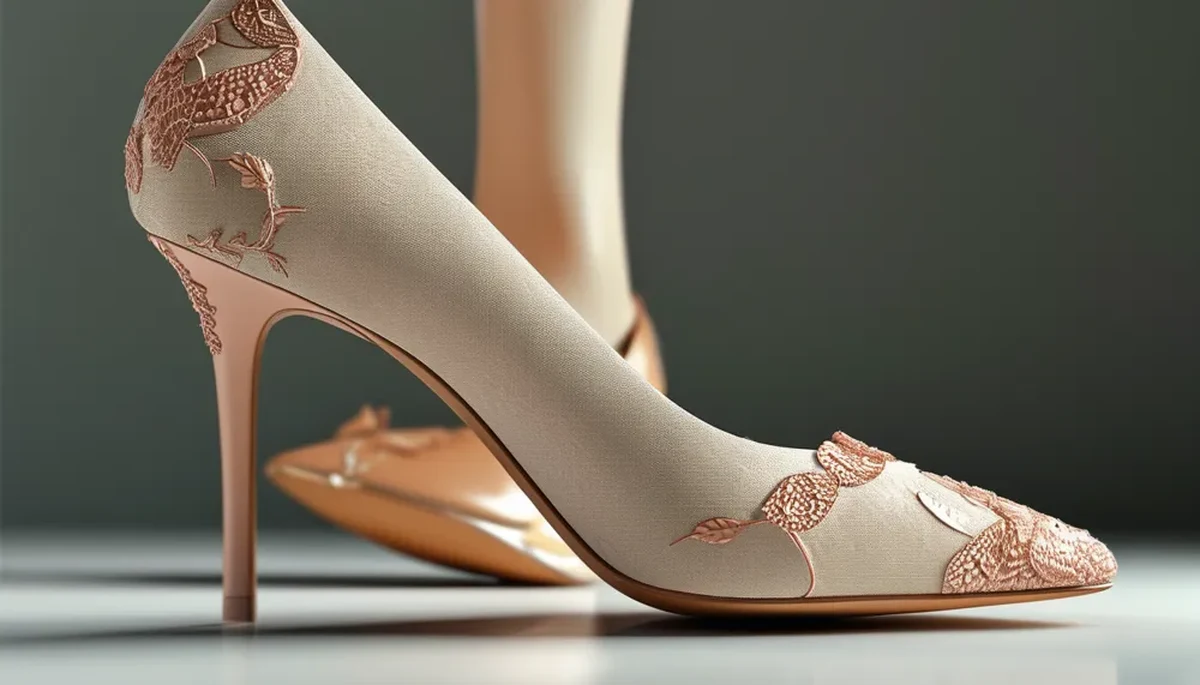
Every edit needs a little fun. A metallic heel, a bold boot, a strappy sandal in an unexpected color — one statement pair lifts your simplest outfits and reminds you that shoes are where you get to play.
Rules for the fun slot:
- Make it the focal point. If the shoes are the story, keep the rest quiet.
- Buy it for a shape you actually own. A bold shoe that doesn’t work with any of your hemlines is decorative rather than useful.
- Comfort still counts. A statement shoe you can’t stand in for two hours is a statement you’ll make twice.
- Price it as an accent. This is the one slot where cost per wear doesn’t need to justify itself.
What Nobody Tells You About Building a Shoe Edit
- Heel-tip replacement is the highest-return maintenance in your wardrobe. It costs around $12 and it’s the difference between a heel that looks current and one that looks tired.
- Rotate, don’t repeat. Wearing the same pair every day means the interior never fully dries out. Alternating pairs extends the life of both, measurably.
- Resoling is worth it on well-made shoes and pointless on cheap ones. Check for a stitched sole rather than a glued one — that’s the tell for whether a shoe is built to be repaired.
- Your everyday shoe sets your outfit’s register more than anything else. The same high waist yoga pants read as gym clothes with running shoes and as a real outfit with a clean white sneaker or a loafer. It’s the cheapest styling lever you have.
- Shoe trees are not fussy. Cedar trees for leather shoes absorb moisture and hold the shape. About $20 and they add years.
FAQ
How many pairs of shoes do you actually need?
Six covers nearly everything: a sneaker, a flat, a pump, an ankle boot, a comfort hybrid and a statement pair. Add specialized pairs only for activities you genuinely do — hiking, running, frequent black-tie.
What color shoes are the most versatile?
Black and tan or warm brown for the workhorses, plus white for the sneaker. Neutrals go with more, which drives the cost per wear down and the outfit-count up.
How do I make new shoes more comfortable?
Wear them indoors for an hour at a time for a few days before their first real outing, and put a blister patch on known hot spots preemptively. If a shoe genuinely hurts in the store, walking it in usually won’t fix it — that’s a fit problem, not a break-in problem.
TL;DR:
- Six categories cover it: sneaker, flat, pump, ankle boot, comfort hybrid, statement pair.
- Spend on the ones you wear 150 days a year. Save on the ones you wear four times.
- Neutrals for the workhorses; save the personality for the statement slot.
- Fit in the afternoon, check the flex point and heel counter, walk on a hard floor.
- Replace heel tips ($12), rotate pairs, and use cedar trees. Maintenance beats replacement.
Keep Reading
This article is for general styling and informational purposes only. Trends, sizing, availability and pricing may vary by brand and season.