The Shoe That Changes the Outfit (Same Clothes, Different Person)
Quick Answer: The shoe sets the formality, the proportions and the attitude of everything above it — which makes it the decision, not the finishing touch. One dress reads three completely different ways with trainers, a loafer, or a sculptural heel. Choose the register first, then pick the shoe that delivers it, and always try two options before you commit.
Same dress. Trainers: a woman running errands who happens to look good. Loafers: someone with a job you’d like to hear about. A sculptural heel: someone with an evening.
Three different people, one dress, and the only variable was six inches off the floor.
Why Do Shoes Decide the Whole Outfit?
Identical clothes read differently by shoe. This is testable in your own mirror in ninety seconds, and it’s more dramatic than anyone expects.
They’re not a finishing touch. We treat shoes as the last decision because they’re the last thing we put on. But they set the terms for everything else — which makes them closer to the first decision, dressed up as the last one.
They set the formality. The shoe, more than the dress, decides whether an outfit is casual, work-appropriate or evening. A silk dress with trainers is casual. A cotton dress with a heel isn’t.
They change your proportions. Heel height alters the leg line, and where the shoe ends relative to your hem changes how long everything above reads. This is why the same trousers can look excellent with one shoe and slightly wrong with another.
They signal attitude. A boot and a ballet flat with the identical outfit say two different things about the person wearing them, and everyone reads it instantly without being able to explain how.
Which Shoe Swaps Actually Transform an Outfit?
The trainer — for ease. Makes anything casual and current. It’s the swap that takes an outfit down a register fastest, which is exactly why it rescues clothes that feel too formal for the occasion.
The loafer — for polish. Quiet, precise, and slightly more serious than it looks. The loafer takes an outfit up a register without announcing it, which is why it’s the most-worn shoe of anyone who dresses well on weekdays.
The ballet flat — for softness. Lightens and softens. Where a loafer adds structure, a flat removes weight, which suits an outfit already carrying volume or texture.
The boot — for grounding. Adds weight at the bottom and hardens a soft outfit. A floaty dress with a boot is a completely different proposition from the same dress with a sandal.
The heel — for elongation. Lengthens the line and raises the register. The most predictable transformation on the list, which is why it’s the safest.
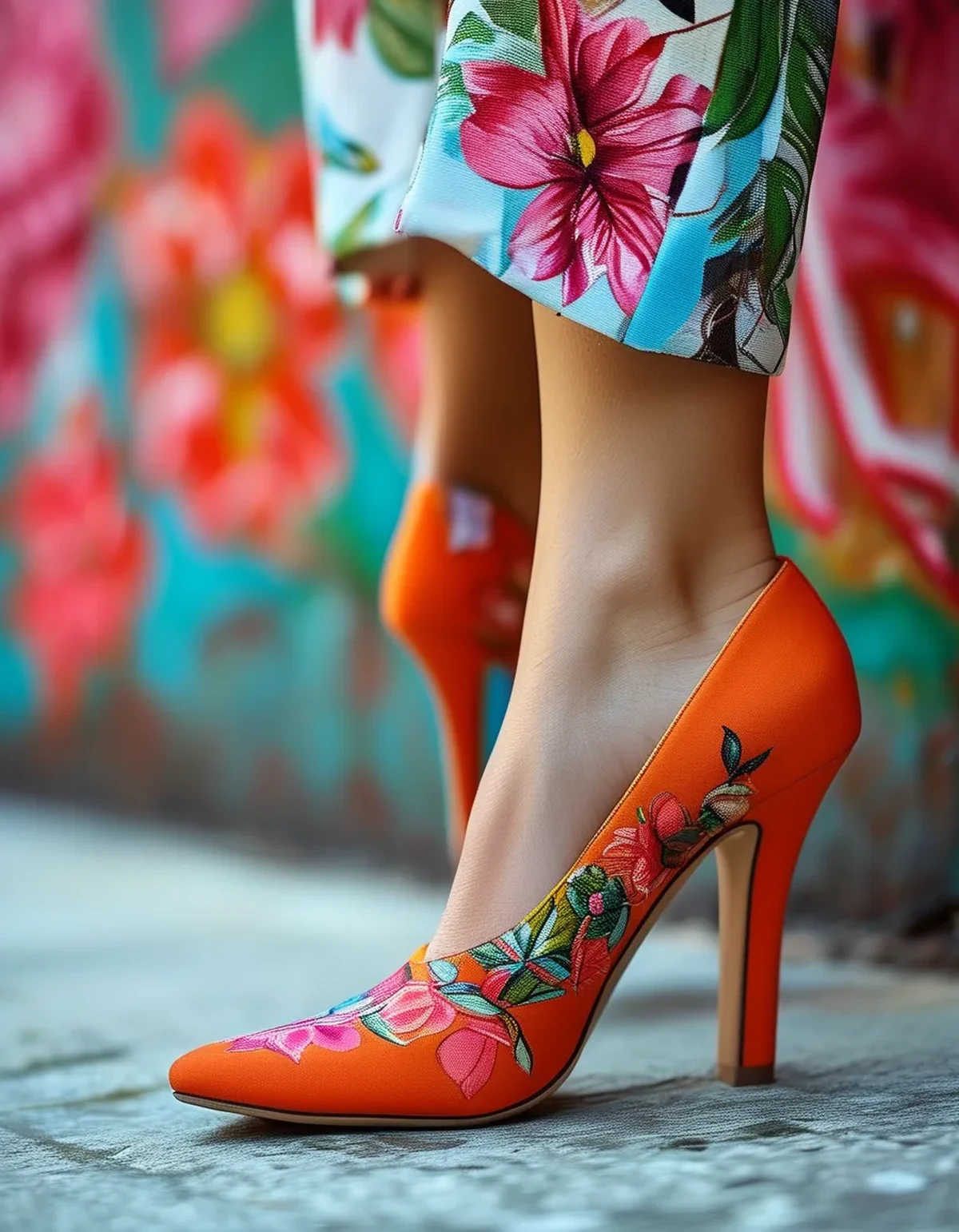
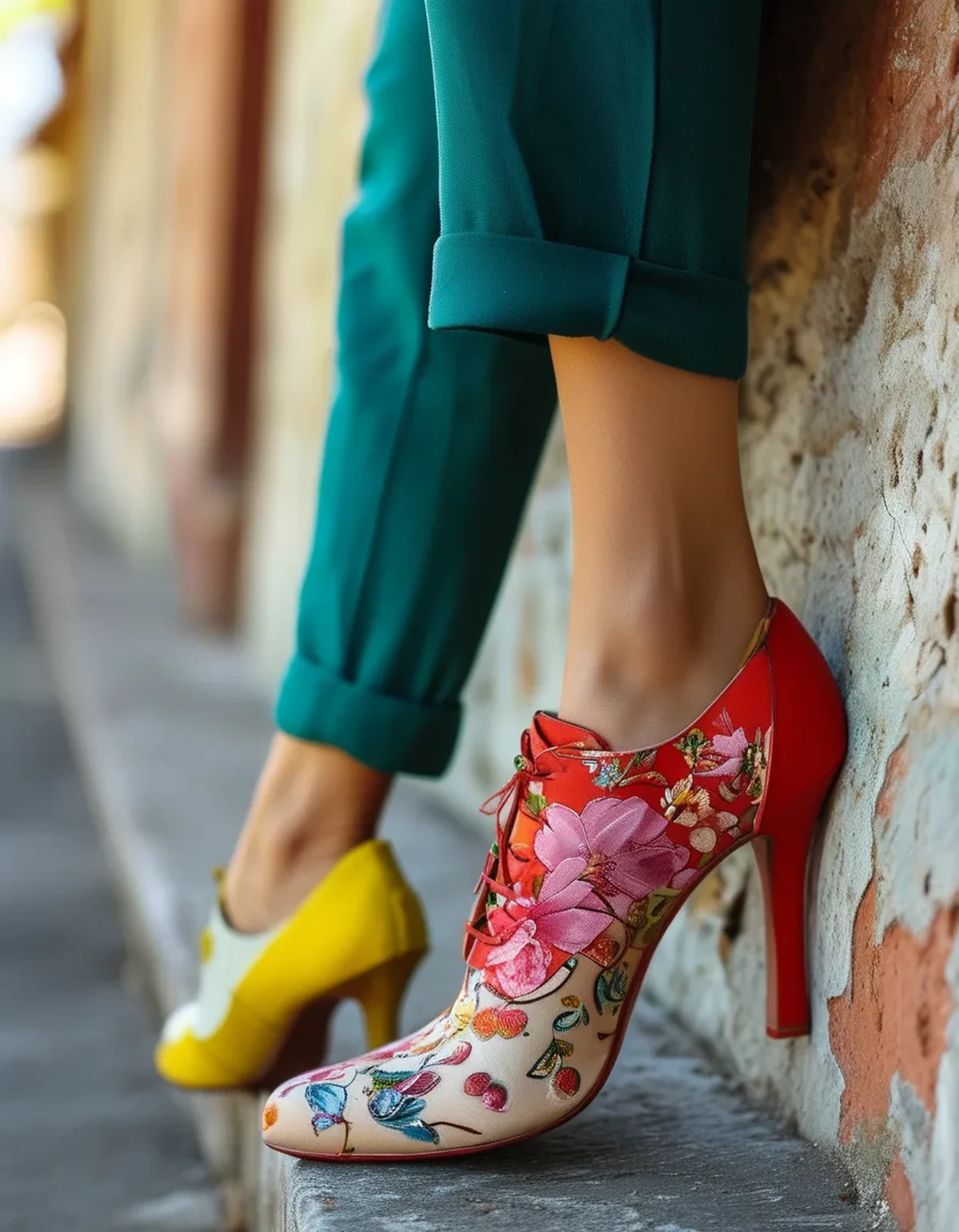
The sculptural heel — as the statement. Here the shoe stops supporting the outfit and becomes its point. Everything else gets simpler in response.
The slingback — for in-between. Polished and easy at once. The answer when an occasion is genuinely ambiguous and nobody will tell you the dress code.
The mule — for nonchalance. Deliberately unbothered. It looks like you didn’t try, which takes a certain amount of trying.
How Do You Choose?
Decide the register first, then the shoe. What is this outfit for — casual, work, evening, ambiguous? Answer that, then choose the shoe that delivers it. Choosing the shoe first and hoping is how outfits end up almost right.
Let the shoe finish the leg line. The relationship between your hem and your shoe is the whole game. A cropped trouser with an ankle boot creates a break; the same trouser with a flat doesn’t. Neither is wrong — just decide which one you meant.
Comfort isn’t optional. The most beautiful shoe you own has an actual wear count, and if that number is two, it’s decorative. A shoe you’ll walk in beats one you’ll photograph in.
One statement only. A sculptural or otherwise loud shoe means everything above it gets simpler. Two statements compete and both lose.
Versatile pairs earn their place. The shoes that work across three registers get worn ten times more than the perfect-for-one-thing pair. Budget accordingly.
Use colour to continue or break the line. A shoe close to your skin tone or hem colour continues the leg line and lengthens it. A contrasting shoe deliberately breaks it and shortens it. Both are legitimate — but pick on purpose.
Try the outfit with two options. Always. It takes thirty seconds and it’s the highest-return habit in this article. You’ll be surprised how often the second one wins.
5 Mistakes Everyone Makes
- Choosing the shoe last, out of habit — deciding the outfit’s register by accident rather than on purpose.
- A statement shoe with a statement everything else — two focal points, no winner.
- Buying the beautiful pair you’ll never walk in — a shoe with a wear count of two is an ornament.
- Ignoring the hem-to-shoe relationship — the leg line breaks in an unflattering place and nobody can identify why.
- Never trying the second option — the thirty seconds that would have improved the outfit.
Frequently Asked Questions
What shoes go with everything?
A loafer in a neutral, a clean white trainer, and a simple ankle boot cover most of the register range between them. That trio handles casual through smart-casual, which is where the overwhelming majority of outfits actually live.
How do I make my legs look longer with shoes?
Match the shoe roughly to your skin tone or to the colour of your hem so the leg line continues unbroken, and avoid a hard contrast strap right at the ankle. A pointed toe extends the line a little further; a heel does the rest.
Should shoes match my bag?
Not any more — matching exactly reads dated. Sharing a tone or a material family is enough to look coherent, and it gives you far more options than a strict match ever did.
What shoes work with leggings?
Trainers for genuinely casual, an ankle boot to smarten them considerably, and a loafer for the in-between version that works for coffee and errands. The leggings barely change — the shoe decides whether the outfit reads gym-adjacent or put-together, which is this whole article in one example.
TL;DR:
- The shoe sets formality, proportion and attitude — it’s the decision, not the finishing touch.
- Trainer for ease, loafer for polish, flat for softness, boot for grounding, heel for elongation, mule for nonchalance.
- Decide the register first, then pick the shoe that delivers it.
- Mind the hem-to-shoe relationship: it decides where the leg line breaks.
- One statement per outfit; a loud shoe means everything above it simplifies.
- Try two options before committing — thirty seconds, best return in styling.
Keep Reading
This article is for general styling and informational purposes only. Trends, sizing, availability and pricing may vary by brand and season.