When Should You Actually Switch to Autumn Shoes
Quick Answer: Switch when the ground changes, not when the calendar does. Practically, closed shoes come in when mornings drop below about 15C and boots come in when the ground is regularly wet - which in most places is three to five weeks apart, not the same day. The useful middle is the loafer, the low-vamp flat, and the leather trainer, which carry from late August through October. Going straight from sandals to boots is what makes early autumn outfits look either premature or unfinished, and it skips the most wearable footwear of the year.
Here is the actual sequence.
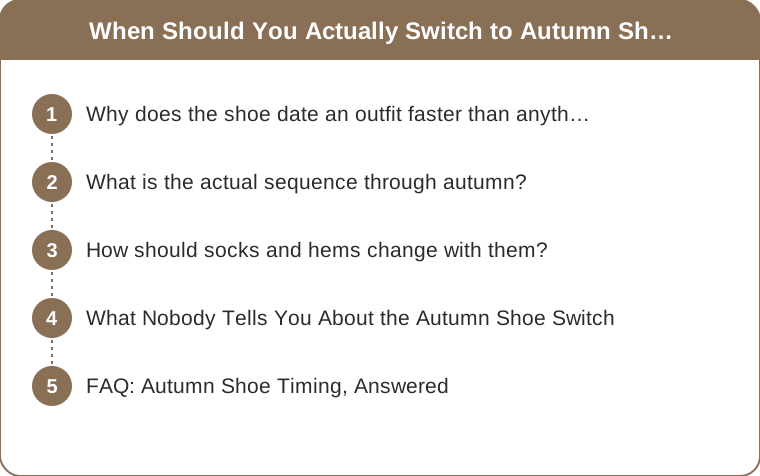
Why does the shoe date an outfit faster than anything else?
Because footwear materials are strongly season-coded and read from a distance. Raffia, rope soles, and canvas are summer; suede, polished leather, and pile-lined boots are autumn - and the eye registers this before it registers the clothes.
Toe coverage is read instantly. An open toe says warm weather regardless of the temperature, which is why the same outfit shifts season entirely with a closed shoe.
Sole weight carries the same signal. A thin summer sole under a wool trouser looks unfinished, while a substantial sole grounds the outfit.
And the shoe sets the formality of everything above it. A trainer and a loafer under identical trousers produce two different outfits, which is more leverage than any other single item.
Which is why timing it wrong is so visible. Boots in 24C heat read as premature, and sandals under a wool coat read as unconsidered - both are shoe-timing errors, not clothing errors.
What is the actual sequence through autumn?
First: retire the open toe. When mornings sit below about 15C, an open shoe stops being comfortable before it stops being appropriate.
Second: the loafer and the low-vamp flat. These cover roughly 12 to 22C and are the most useful shoes of the transitional period - dressy enough for work, easy enough for weekends.
Third: the leather trainer replaces the canvas one. Same silhouette, completely different seasonal reading, and it happens at about the same point as the loafer.
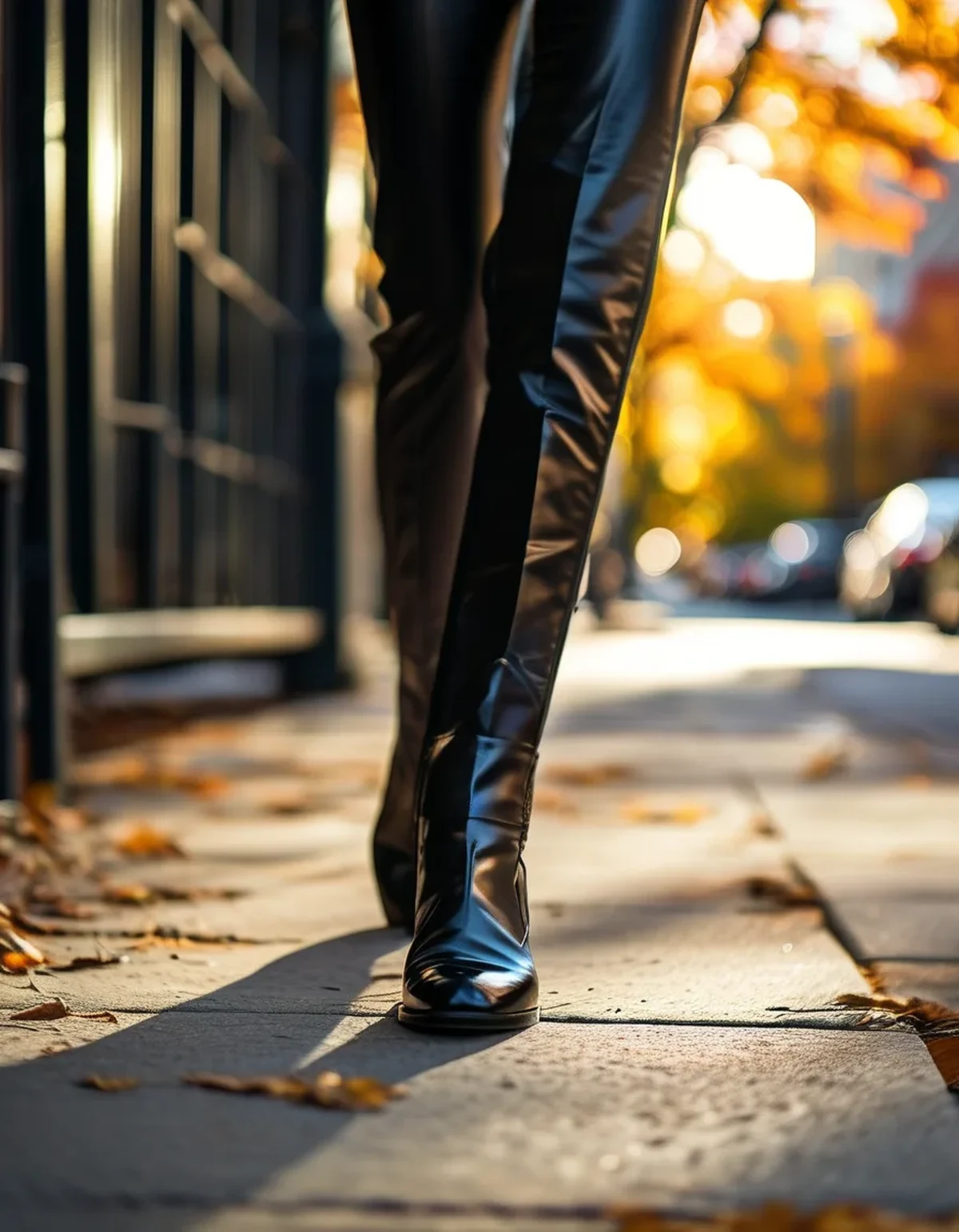
Fourth: the ankle boot, once the ground is wet. Not by date - by rainfall. A dry October keeps loafers in play far longer than the calendar suggests.
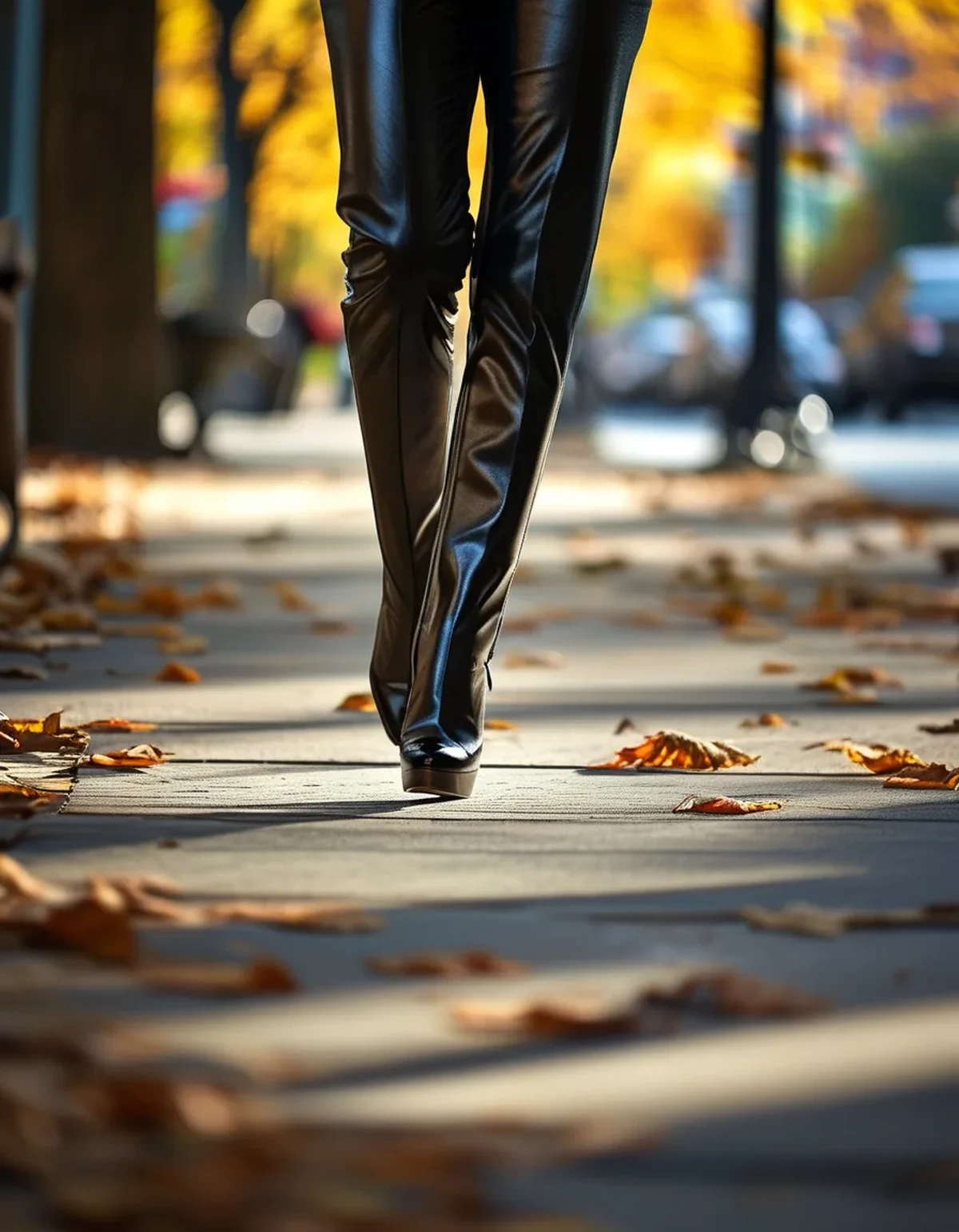
Fifth: the knee boot and anything pile-lined. These belong to November onward in most climates and look genuinely early before then.
And the mule sits awkwardly across the whole thing. A closed-toe mule works well in the transitional weeks but loses to a loafer the moment the ground is wet.
Hems are not the only thing that behaves differently once the air cools. Tights and lined skirts start to grab, and there is a plain physical reason your skirt clings to your legs the second the weather turns.
If the seasonal switch has you rethinking the whole closet, it is a good moment to ask how many outfits ten pieces should actually make.
How should socks and hems change with them?
Visible sock is a transitional signal in its own right. A fine ribbed sock with a loafer reads as deliberate autumn styling; a hidden sock reads as summer holdover.
Match the sock to the trouser, not the shoe. Sock and trouser in one tone continues the leg line; a contrast sock cuts it and shortens the leg.
Cropped hems need rethinking with boots. A hem that worked with a sandal often sits awkwardly at the boot shaft - about 2 to 3 cm of clearance above the boot top is the cleanest.
With loafers, the ankle should be visible or the hem should touch. The middle - a hem hovering at mid-shaft - is the length that looks unresolved.
And check the shoe against the trouser width. A wide-leg trouser over a delicate flat loses the shoe entirely; a substantial sole holds the proportion.
What Nobody Tells You About the Autumn Shoe Switch
Your feet change size across the day and the season. Feet swell in warm weather and a shoe bought in August can be a half size loose in November - one reason autumn boots often feel roomier than expected.
Suede needs protecting before the first wear, not after the first stain. A protector spray applied dry works; applied to an already-marked shoe it seals the mark in.
New leather soles are slippery in rain. The first few wears of a leather sole on wet pavement are genuinely hazardous - a cobbler can add a thin rubber sole for a small cost, and it extends the shoe’s life considerably.
Boots stored over summer need checking before the first cold day. Glue can perish and linings can compress, and finding that out on the morning you need them is the common experience.
Break in boots on short trips first. Two or three one-hour wears before a full day prevents the blisters most people accept as inevitable.
And rotating shoes doubles their life. Leather needs about 24 hours to dry out fully between wears, and wearing the same pair daily is the fastest way to wear them out.
FAQ: Autumn Shoe Timing, Answered
When should I stop wearing sandals?
When mornings sit consistently below about 15C. Comfort usually decides this before appropriateness does, and it is typically several weeks before boots make sense.
When is it too early for boots?
Boots follow the ground, not the calendar. If pavements are dry and it is above about 18C, a loafer or leather trainer looks more current and feels far better.
What is the most useful transitional shoe?
The loafer. It covers roughly 12 to 22C, works for both work and weekends, and bridges the entire gap between sandals and boots.
Should socks be visible?
With loafers in autumn, yes. A fine ribbed sock matched to the trouser reads as deliberate and continues the leg line.
How do I stop new leather soles slipping in rain?
Have a cobbler add a thin rubber sole before you wear them out. It costs little, removes the hazard, and extends the life of the shoe.
Do I need to do anything to suede before wearing it?
Spray a protector while the shoe is clean and dry. Applying it after a mark appears seals the mark in rather than preventing it.
TL;DR:
- The ground decides, not the calendar. Closed shoes at about 15C mornings; boots when pavements are regularly wet.
- Those two points are three to five weeks apart - do not treat them as one switch.
- The loafer is the most useful shoe of the season, covering roughly 12 to 22C.
- Leather trainer replaces canvas at the same moment, with no change of silhouette.
- Visible ribbed socks matched to the trouser read as deliberate and lengthen the leg.
- Protect suede before the first wear, and add rubber to new leather soles.
- Rotate pairs - leather needs 24 hours to dry between wears.
The shoe changes the season faster than anything else, which cuts both ways.
Keep Reading
This article is for general styling and informational purposes only. Trends, sizing, availability and pricing may vary by brand and season.