Why Your Heels Keep Slipping at the Back, Even in the Right Size
Quick Answer: Heel slip in correctly sized shoes usually comes from a mismatch between your heel’s shape and the shoe’s heel cup, or from the shoe’s structure not securing the midfoot — heel grips, a properly tightened lacing pattern, or an insole with more arch support all address this without needing to size down and cramp the toes.
The shoe fits everywhere else — toes have room, the width is right — but the heel lifts out with every step. Sizing down usually just trades heel slip for cramped toes, without actually fixing the real cause.

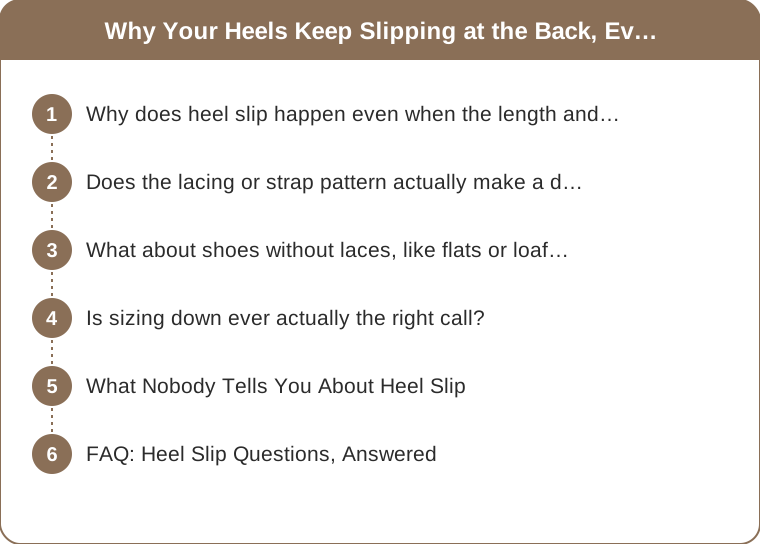
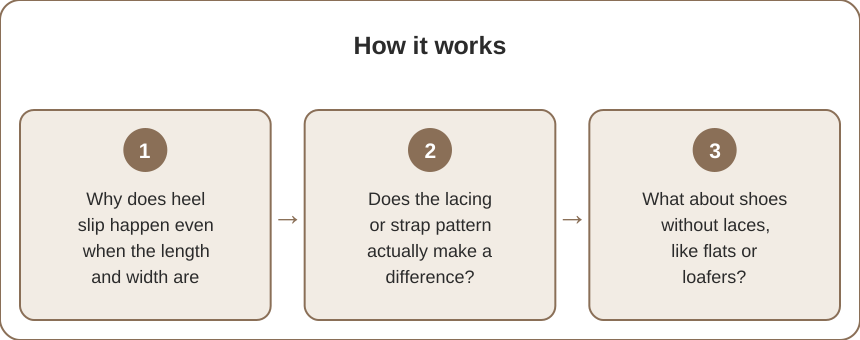
Why does heel slip happen even when the length and width are correct?
Heel shape varies significantly between people — some heels are narrower relative to the rest of the foot, some sit higher, some are more tapered. A shoe’s heel cup is built to one generic shape, and if your heel doesn’t match that shape closely, the shoe fits everywhere else while gaping specifically at the back.
Does the lacing or strap pattern actually make a difference?
Significantly — a heel-lock lacing technique (crossing the laces through the top eyelets in a loop before tying) pulls the midfoot snug and anchors the heel far more effectively than standard lacing. This works on sneakers and lace-up flats and often solves heel slip that seemed unfixable.
What about shoes without laces, like flats or loafers?
Heel grips — thin adhesive pads placed inside the back of the shoe — add just enough padding to close the gap between your heel shape and the shoe’s heel cup, without changing the overall fit anywhere else. They’re the single most effective fix for slip in slip-on styles.

Is sizing down ever actually the right call?
Only if the shoe is loose throughout, not just at the heel — if the toes have significant extra room and the whole foot shifts inside the shoe, sizing down may be appropriate. If the toes fit snugly and only the heel slips, sizing down will cause more problems than it solves.
What Nobody Tells You About Heel Slip
A small amount of heel slip in brand-new stiff leather shoes is often temporary — leather softens and molds to your foot shape within the first few wears, and heel slip that’s present on day one sometimes resolves on its own by week two. Give stiff leather shoes a short break-in period before assuming they need grips or a return.
FAQ: Heel Slip Questions, Answered
Do heel grips work for all shoe types?
They work best in flats, loafers, and low pumps; in taller heels, a combination of a heel grip and an ankle strap (if the style has one) gives more security.
Can insoles fix heel slip?
An insole with better arch support can reduce slip indirectly by stopping the whole foot from sliding forward, which is often what causes the heel to lift in the first place.
Is heel slip worse in new shoes or worn-in ones?
Usually worse in new shoes, especially stiff leather — as the shoe breaks in and molds to your foot, mild heel slip often improves without any intervention.
TL;DR:
- Heel slip in the right size is usually a heel-shape or midfoot-security issue, not a sizing issue
- Heel-lock lacing anchors the midfoot and often fixes slip in lace-up shoes
- Heel grips are the most effective fix for slip-ons, flats, and loafers
- Only size down if the whole shoe is loose, not just the heel — otherwise you’ll cramp the toes instead
Before sizing down your next pair, try a heel grip or heel-lock lacing first — it solves the actual problem instead of trading one fit issue for another.
Keep Reading
This article is for general styling and informational purposes only. Trends, sizing, availability and pricing may vary by brand and season.